Advance Brain Health with Genomics & AI
THE LABORATORY OF NEUROGENOMICS
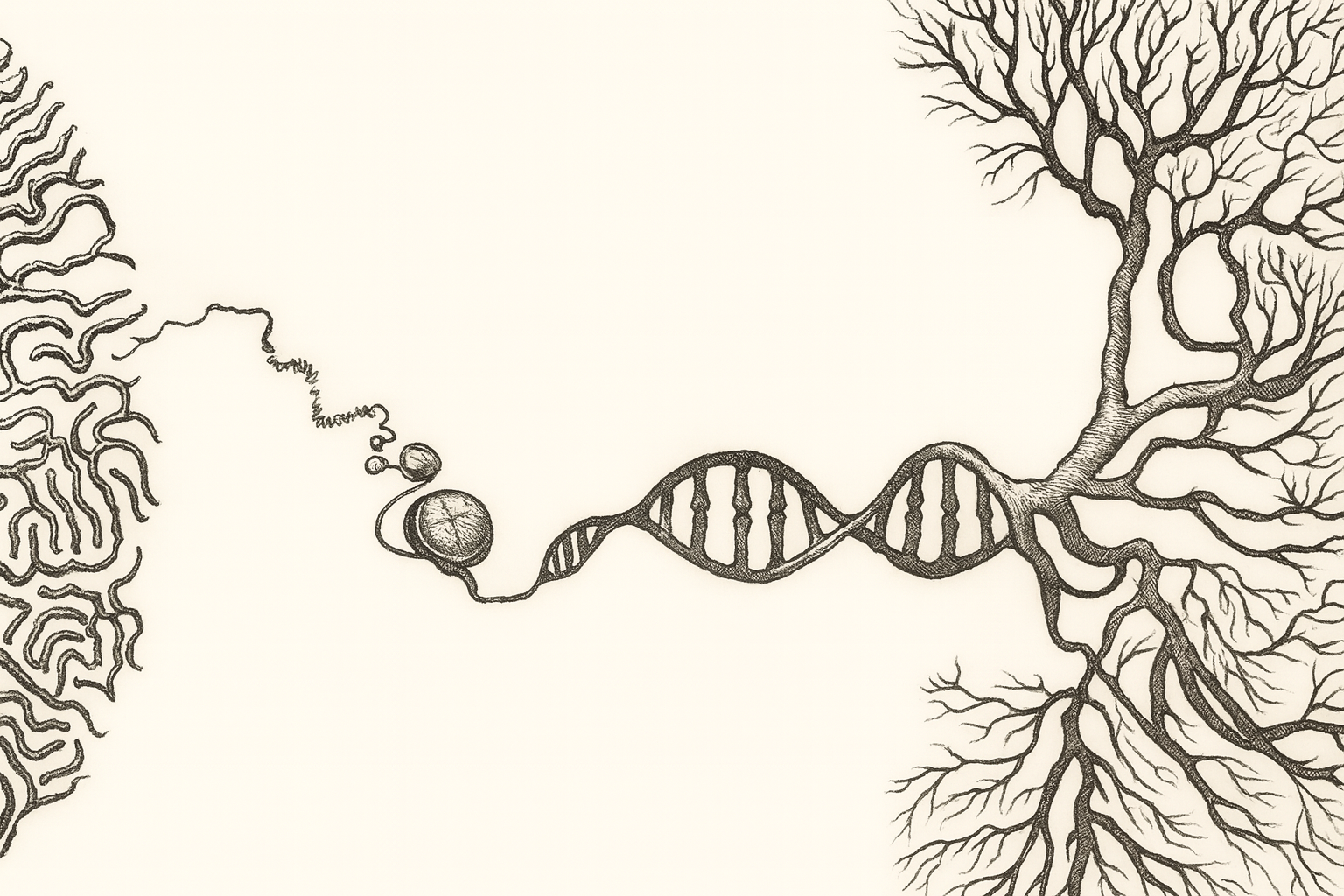
From transcriptomics, optical imaging, synthetic biology, to machine learning/AI, we advance genomic tools to decode the genetic basis of brain health and disease.
THE CHALLENGE
Understanding how brain cells encode function in space remains one of the greatest challenges in biology. In every brain cell, thousands of genes are actively expressed, yet cellular function depends not only on which RNAs are produced, but also on where they are localized - a fundamental spatial layer of gene regulation that remains poorly understood. Our research seeks to uncover the fundamental principles of Spatial Gene Regulation: how the spatial transcriptome is organized across diverse brain cell types, how it is dynamically remodeled to support brain function and plasticity, which genetic and molecular mechanisms govern its organization, how its disruption contributes to neurological disease, and whether spatial transcriptomes can be rationally engineered/designed to restore cellular function, enhance brain plasticity, and enable a new generation of RNA therapeutics.
THE APPROACH
-
IMAGE
We develop next-generation imaging-based spatial omics technologies to map the spatial transcriptome in the healthy and diseased brain with unprecedented molecular resolution and precision.
-
MODEL
We leverage the emerging power of machine learning and artificial intelligence to uncover how RNA sequence encodes subcellular localization and how genetic variation disrupts its spatial organization.
-
UNDERSTAND
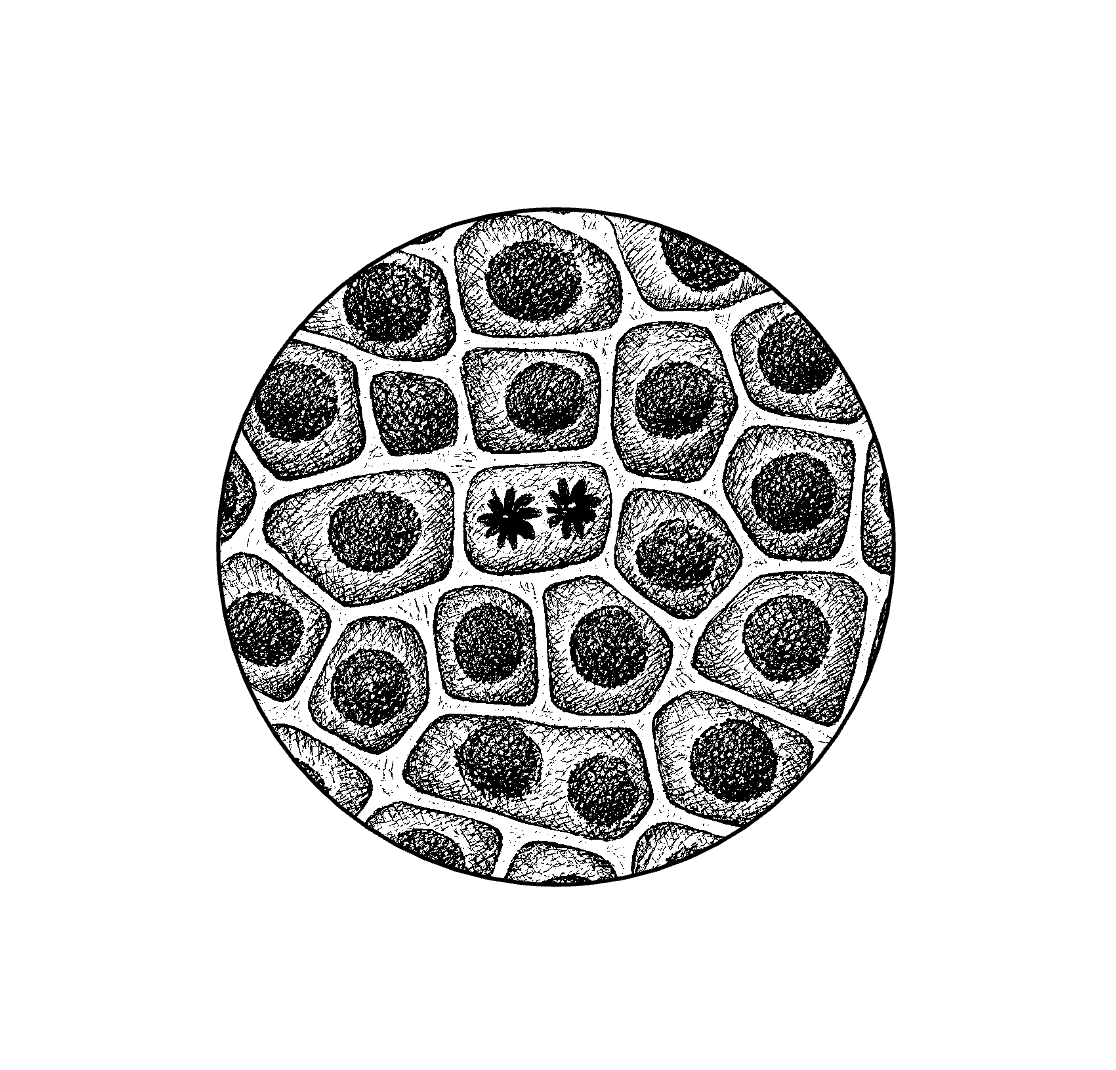
We use high-throughput biochemical approaches to identify the molecular mechanisms and signaling pathways that govern RNA localization and drive its mislocalization in disease.
-
CURE
Ultmately, we aim to translate these discoveries into therapies by developing synthetic and pharmacological strategies to reprogram aberrant RNA localization, restore cellular function, and improve brain health.
THE NEWS
2025-12-18: Ya Jiang is awarded the Dean’s Fellowship at Stanford University. Congratulations to Ya!
2025-12-10: The Fang Lab hosts its first Christmas holiday party.
2025-12-01: We welcome our new rotation student, Margarita from Molecular Cellular Physiology (MCP) PhD program, to the lab.
2025-09-30: We welcome our new master student, Chumo Chen from Biomedical Science Program, to the lab. He will conduct his master thesis with us. Welcome!